
Last Updated:
June 9, 2026
Understanding Your Sprinkler System In Texas
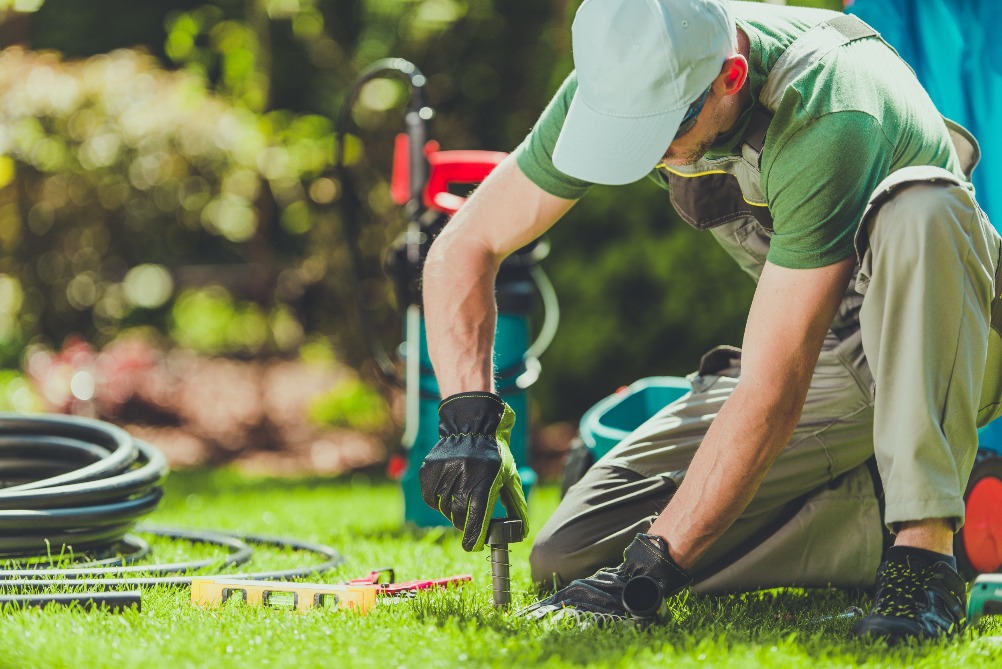
Keeping a lawn healthy and attractive in Texas is no small task. Between intense summer heat, unpredictable rainfall, clay-heavy soils, and local watering restrictions, homeowners need a smart approach to irrigation. A properly designed sprinkler system is one of the most effective tools for protecting your landscape, conserving water, and maintaining curb appeal year-round.
Sprinkler systems can seem intimidating at first, but understanding how they work makes it much easier to use them confidently and get the most value out of your investment. For more help with your irrigation system, be sure to check out our sprinkler repair in Highland Village, TX.
Sprinkler System Basics
At its core, a sprinkler system is a network of underground piping connected to your home’s water supply that delivers water through strategically placed sprinkler heads. These heads rise above ground during operation and retract when finished, leaving your yard clean and unobstructed. Everything is controlled by a central controller that determines when, where, and how long your lawn receives water.
In Texas, sprinkler systems are especially valuable because they allow homeowners to water efficiently during approved times, avoid runoff on compacted soils, and respond quickly to weather changes.
How Sprinkler Systems Function
Sprinkler systems operate by dividing your yard into watering zones, each controlled independently. When the controller activates a zone, a valve opens and sends water through underground pipes to the sprinkler heads assigned to that area. Once the programmed run time ends, the valve closes and the system moves on to the next zone.
Modern systems can be programmed to water early in the morning, when evaporation is lowest, or adjusted seasonally to match Texas’ shifting weather patterns. Some controllers even allow remote access through a smartphone, making it easy to pause watering during unexpected rain or increase run times during extreme heat waves.
Why Zoning Matters In Texas Landscapes
Not all areas of your yard need the same amount of water. A sunny front lawn, shaded backyard, flower beds, and sloped areas all behave differently. Zoning allows each section of your landscape to receive water based on its specific conditions.
In Texas, zoning is especially important because soil composition and sun exposure vary widely. Clay soil retains moisture longer, while sandy soil drains quickly. Sloped areas are more prone to runoff, and shaded zones may require far less water than open turf. Proper zoning helps prevent wasted water, uneven growth, and stress on your irrigation system.
The Key Parts Of A Sprinkler System
Although sprinkler systems operate quietly in the background, they rely on several essential components working together. Each component plays a role in system efficiency, water conservation, and long-term reliability:
- Water supply line that connects the system to your municipal or well water source.
- Mainline piping, usually buried underground, that transports water to the valves.
- Control valves that regulate water flow to each zone.
- Controller, which acts as the system’s command center and manages schedules.
- Sprinkler heads that distribute water across lawns and landscaped areas.
- PVC piping that carries water from valves to individual heads.
- Rain or moisture sensors that pause watering when rainfall is detected.
- Backflow prevention device required in Texas to protect the public water supply.
Choosing The Right Sprinkler Heads For Your Yard
Sprinkler heads are not one-size-fits-all. The type of head installed directly affects water usage, coverage, and plant health. Selecting the correct heads helps prevent wasted water, overspray onto sidewalks, and uneven watering patterns.
- Rotor heads are commonly used for large lawn areas because they rotate slowly and cover wide spaces evenly.
- Spray heads work well for smaller sections, tight corners, and landscaped beds where precise coverage is needed.
- Multi-stream nozzles release water in multiple gentle streams, reducing runoff and improving absorption; an excellent option for Texas clay soils.
Automatic Sprinklers vs. Other Watering Methods
Many homeowners still rely on hoses, portable sprinklers, or drip systems. While these options may work for specific plants or small areas, they often fall short for full-yard irrigation. Manual watering makes it easy to overwater or miss sections entirely, while drip systems are better suited for gardens than established lawns.
Automatic sprinkler systems stand out because they offer consistency, efficiency, and adaptability. Once properly set up, they water your lawn evenly, follow local watering regulations, and adjust to seasonal demands, which is something manual systems simply can’t match.
Why Installing A Sprinkler System Makes Sense In Texas
A well-designed sprinkler system protects one of your home’s biggest visual assets: the landscape. It simplifies lawn care, reduces water waste, and helps your yard survive Texas’ challenging climate conditions. Over time, the system can lower water bills, reduce plant replacement costs, and improve property value.
For homeowners planning to sell, a healthy lawn creates a strong first impression. For those staying long-term, it means less stress, less labor, and a yard that looks good without constant effort.
Frequently Asked Questions About Sprinkler Systems In Texas
Q: How often should I run my sprinkler system in Texas?
Watering schedules depend on season, soil type, and local restrictions, but most Texas lawns benefit from deep, infrequent watering rather than daily cycles.
Q: Are sprinkler systems allowed during water restrictions?
Yes, as long as they are programmed to operate during permitted days and times set by your local municipality.
Q: Do rain sensors really make a difference?
Absolutely. Rain sensors prevent unnecessary watering, saving water and protecting your lawn from overwatering.
Q: Can a sprinkler system handle Texas heat?
When properly designed and maintained, sprinkler systems are built to withstand high temperatures and prolonged dry conditions.
Q: Is a sprinkler system expensive to maintain?
Routine inspections and occasional repairs are typically minimal compared to the long-term savings on water and landscaping replacement.
Q: Should I upgrade an older sprinkler system?
Older systems often lack efficient heads, sensors, and smart controllers. Upgrading can significantly improve performance and water conservation.
Article Written By