
Last Updated:
June 10, 2026
What Issues Should You Watch For In Your Sprinkler System?
Keeping an eye on your sprinkler system is just as important as maintaining your lawn itself. While automatic irrigation systems are designed to make watering easier and more efficient, components wear down and performance can gradually decline if the system isn’t checked regularly.
Many sprinkler problems start small but can quickly lead to wasted water, rising utility costs, or damage to your lawn if left unaddressed. Understanding what to look for can help you catch these issues early and maintain your sprinkler system before any major sprinkler repairs are needed.
Uneven Watering Is One of the First Warning Signs
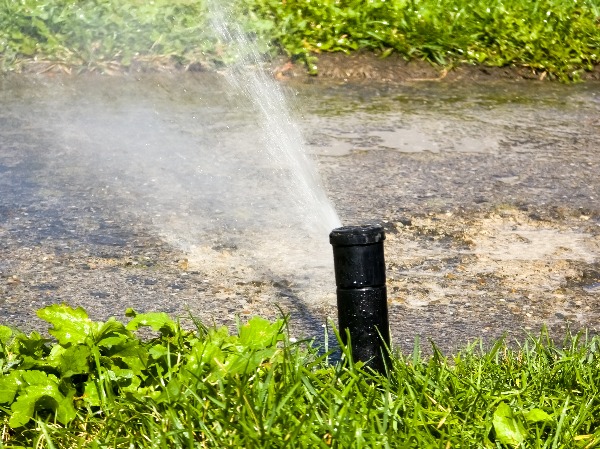
One of the earliest and most noticeable signs of trouble is inconsistent watering across your lawn. If certain areas look greener while others appear dry or stressed, your system may not be distributing water evenly. This issue often develops gradually, making it easy to overlook at first.
Uneven watering can be caused by several underlying problems, such as misaligned sprinkler heads, partial clogs, or pressure imbalances within the system. Over time, this inconsistency can lead to patchy turf, poor root development, and an overall decline in lawn health. Addressing the issue early helps restore balance and prevents long-term damage.
Common Types of Sprinkler System Issues
Different problems can affect how your sprinkler system operates. Understanding the most common types of issues makes it easier to identify what’s going wrong and determine the best course of action.
- Leaking Lines: Underground or visible leaks can waste water and create soggy areas in your yard.
- Clogged Nozzles: Dirt and debris can block water flow, leading to weak or uneven spray patterns.
- Damaged Sprinkler Heads: Cracked or broken heads can cause overspray, pooling, or missed coverage.
- Valve Failures: Faulty valves may prevent zones from turning on or shutting off properly.
Advantages of Catching Sprinkler Problems Early
Identifying sprinkler system issues before they escalate can save both time and money. Small inefficiencies often turn into larger repairs when ignored, especially in systems that run frequently throughout the growing season. Regular observation allows you to spot subtle changes in performance and take action before they become serious.
It’s important to remember that even minor issues, like a slightly tilted sprinkler head, can impact your system’s effectiveness. Staying proactive helps maintain consistent watering and protects your landscape investment. Some of the key benefits of early detection include:
- Lower Water Bills: Fixing leaks and inefficiencies prevents unnecessary water usage.
- Healthier Lawn Growth: Consistent coverage supports even, strong turf development.
- Reduced Repair Costs: Addressing small issues early helps avoid major system failures.
- Improved System Efficiency: Properly functioning components deliver water where it’s needed most.
Know When Your Sprinkler System Needs Attention
Your sprinkler system will usually give off clear signs when something isn’t working properly. Pools of water, dry patches, or sudden changes in water pressure are all indicators that something may be wrong. These symptoms often point to underlying mechanical or distribution issues that require attention.
Another common sign is a noticeable spike in your water bill without any obvious explanation. This can suggest hidden leaks or inefficient operation somewhere within the system. Paying attention to these warning signs allows you to respond quickly and prevent further complications.
Best Practices for Maintaining Your Sprinkler System
Routine maintenance plays a major role in preventing common sprinkler problems. Checking your system periodically helps ensure all components are working as intended and allows you to catch issues before they worsen. Even a quick visual inspection while the system is running can reveal a lot about its condition.
Make it a habit to observe spray patterns, listen for unusual noises, and check for areas where water may be pooling or failing to reach. Keeping sprinkler heads clean and properly adjusted also improves performance and reduces unnecessary strain on the system. Consistent upkeep not only extends the life of your system but also helps maintain a healthier lawn overall.
Tips for Preventing Sprinkler Problems
Taking a proactive approach to maintenance can go a long way in preventing common sprinkler issues. A few simple habits can help keep your system running efficiently and reduce the likelihood of unexpected sprinkler repairs.
Keep the following tips in mind when caring for your sprinkler system:
- Inspect the System Regularly: Run your system and watch for irregular spray patterns or leaks.
- Adjust Sprinkler Heads as Needed: Ensure water is directed toward your lawn, not pavement or structures.
- Clean Nozzles Periodically: Remove dirt and debris to maintain proper water flow.
- Monitor Water Pressure: Sudden changes in pressure can indicate hidden problems.
- Avoid Physical Damage: Be mindful when mowing or working near sprinkler heads.
- Schedule Professional Checkups: Periodic inspections can catch issues you might miss.
Frequently Asked Questions About Sprinkler System Problems
Q: Why are there dry spots in my lawn even though my sprinklers are running?
Dry spots are often caused by misaligned or clogged sprinkler heads, which prevent water from reaching certain areas evenly.
Q: What causes water to pool in certain areas of my yard?
Pooling water can result from leaks, broken sprinkler heads, or poor drainage combined with excessive watering.
Q: How often should I check my sprinkler system?
It’s a good idea to inspect your system at least once a month during the growing season to ensure everything is functioning properly.
Q: Can I fix sprinkler problems myself?
Minor issues like cleaning clogged heads or adjusting spray direction can often be handled on your own, but more complex problems may require professional repair.
Q: Why has my water bill suddenly increased?
A sudden increase in water usage is often a sign of a leak, inefficient watering schedule, or malfunctioning system components.
Q: When should I call a professional for sprinkler repair?
If you notice persistent leaks, major pressure issues, or zones not functioning correctly, it’s best to have a professional diagnose and fix the problem.
Article Written By