
Last Updated:
June 2, 2026
Understanding Sprinkler System Zones In Your Landscape
If you’ve ever watched a sprinkler system turn on and noticed different sections of the yard being watered at different times, you’ve already seen irrigation zones in action. These zones are not random, and understanding why and how irrigation zones are determined is key to properly watering your lawn.
This blog post will cover the basics every homeowner needs to know about sprinkler system zones. For more help with sprinkler repairs or sprinkler maintenance in Flower Mound, TX, reach out to your local irrigation experts here at Main Street Sprinkler.
What Is a Sprinkler System Zone?
A sprinkler zone is a specific section of your yard that is watered independently from the rest of the system. Each zone is connected to a group of sprinkler heads and controlled by a valve that opens and closes based on your irrigation schedule.
Instead of running every sprinkler head at once, the system activates one zone at a time. This allows for better control over water pressure and ensures that each area gets the proper amount of water.
Think of zones as individual watering circuits. Each one is designed to serve a particular part of your landscape based on its unique needs.
Why Sprinkler Systems Are Divided Into Zones
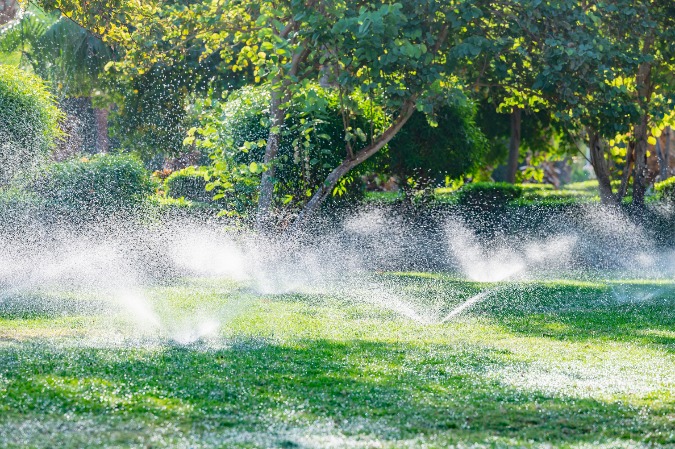
At first glance, it might seem easier to water the entire lawn all at once. However, doing so would create several problems, including low water pressure, uneven coverage, and excessive water waste. Zones solve these issues by breaking the irrigation system into manageable sections. Here’s why zoning is essential:
- Maintains consistent water pressure across sprinkler heads.
- Prevents overloading your home’s water supply.
- Allows for customized watering based on plant needs.
- Improves overall efficiency and reduces water wasteHelps prevent runoff and oversaturation.
How Sprinkler Zones Actually Work
Each zone in a sprinkler system is controlled by an electronic valve connected to a central controller (also known as a timer). When the system runs, the controller signals one valve to open, allowing water to flow through that specific zone.
Once that zone finishes its scheduled watering time, the valve closes and the next zone activates. This cycle continues until all zones have been watered. The process typically looks like this:
- The controller starts the irrigation cycle;
- Zone 1 valve opens and waters a designated area;
- After a set time, Zone 1 shuts off;
- Zone 2 activates and waters the next section;
- The cycle repeats until all zones are complete.
Types of Sprinkler Zones
Not all zones are created equal. Different areas of your landscape have different watering needs, which is why irrigation systems are designed with multiple types of zones.
Turf Zones
These zones are designed for lawn areas and typically use spray heads or rotor sprinklers. They provide broad, even coverage to keep grass healthy and consistent in appearance.
Garden Bed Zones
Flower beds and landscaped areas often require more targeted watering. These zones may use drip irrigation or low-flow emitters to deliver water directly to plant roots without oversaturating the surrounding soil.
Shade vs. Sun Zones
Areas that receive full sunlight dry out faster than shaded sections of the yard. Dividing these into separate zones allows for more precise watering schedules.
Slope Zones
Sloped areas can be tricky because water tends to run off before it has a chance to soak in. These zones are often programmed with shorter, repeated watering cycles to improve absorption.
High-Traffic or Problem Areas
Some zones are created specifically to address areas that experience more wear and tear, such as near walkways or play areas. These sections may need slightly different watering patterns to stay healthy.
Can Sprinkler Zones Be Adjusted or Added?
Yes, sprinkler zones can be modified as your landscape changes. Whether you’re adding a new garden bed, expanding your lawn, or installing new hardscaping, your irrigation system can be updated to match. When necessary, making the following adjustments ensures that your system continues to operate efficiently over time:
- Add new zones for expanded landscaping.
- Split existing zones to improve efficiency.
- Upgrade certain zones to drip irrigation.
- Adjust watering schedules based on seasonal needs.
Why Understanding Zones Helps You Save Money
When you understand how sprinkler zones work, it becomes easier to manage your irrigation system effectively. Proper zoning reduces water waste, improves lawn health, and minimizes the need for costly repairs or adjustments.
Instead of treating your entire yard the same, zones allow you to tailor watering to each area’s specific needs. This level of control leads to better results with less water, which translates into lower utility bills and a more sustainable landscape.
Frequently Asked Questions About Sprinkler System Zones
Q: How many zones does a typical sprinkler system have?
Most residential systems have between 4 and 10 zones, but the exact number depends on yard size, layout, and water pressure.
Q: Can I run multiple sprinkler zones at the same time?
In most cases, no. Running multiple zones simultaneously can reduce water pressure and lead to uneven coverage.
Q: How long should each sprinkler zone run?
Run times vary based on grass type, soil, and weather conditions, but most zones operate between 10 and 30 minutes per cycle.
Q: Do all zones need the same watering schedule?
No. Different zones often require different watering durations and frequencies depending on sun exposure, plant type, and soil conditions.
Q: What happens if a sprinkler zone stops working?
It could be due to a faulty valve, wiring issue, or blockage in the line. A professional inspection can quickly identify the problem.
Q: Can I upgrade my zones to be more efficient?
Yes. Many homeowners improve efficiency by adding drip irrigation, smart controllers, or redesigning zones to better match their landscape.
Article Written By