
Last Updated:
July 3, 2026
Understanding The Value Of Professional Sprinkler Systems
Homeowners often think they are saving money by watering their own lawn. After all, most people already own a hose and a sprinkler head. However, when you look at long-term results, DIY lawn watering often leads to wasted water, higher utility bills, and increased lawn maintenance costs.
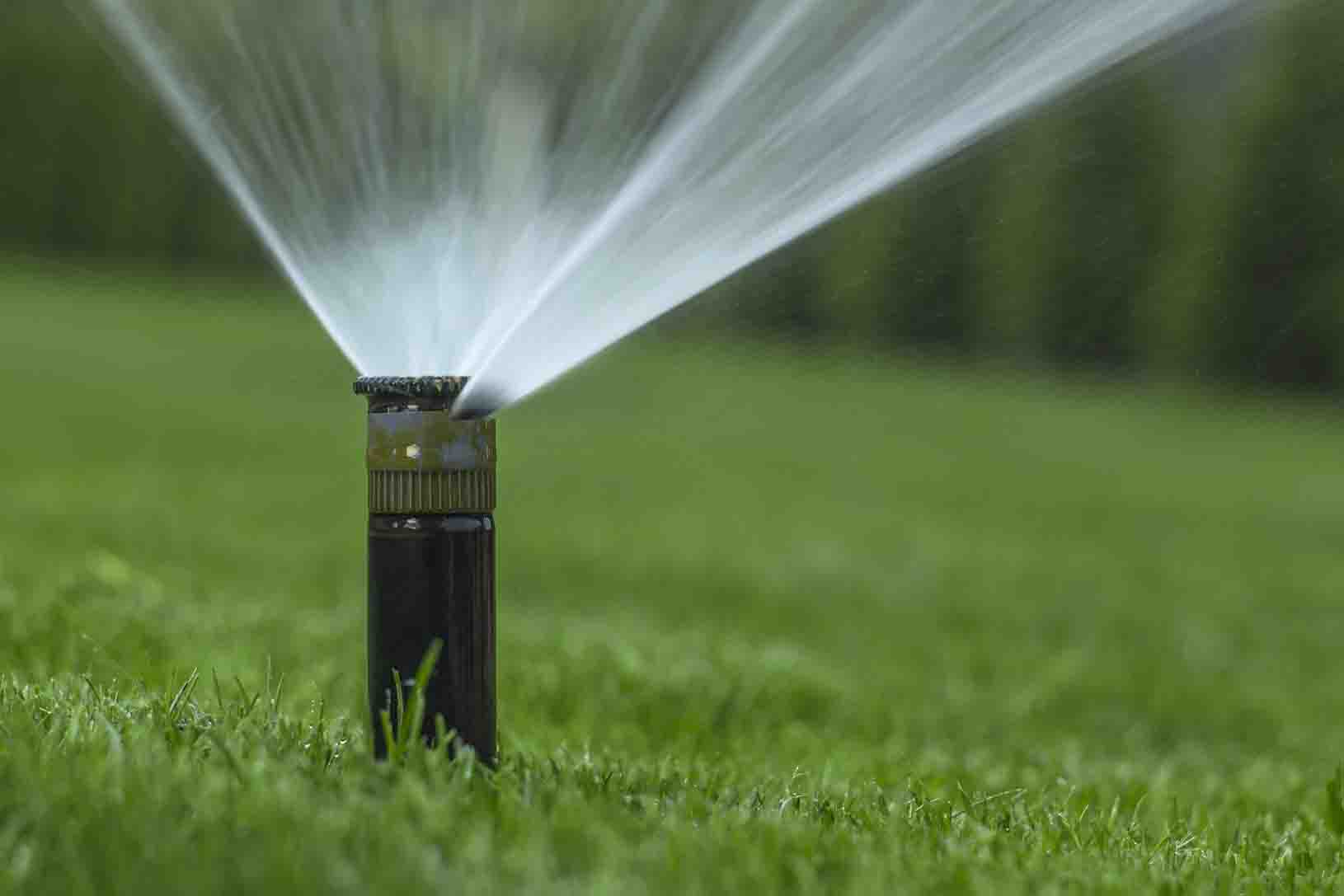
Professional lawn irrigation systems, particularly automatic sprinkler systems installed by experienced professionals, deliver the right amount of water at only the right time. Below is a closer look at the major ways professional lawn irrigation systems save you money!
Precise Watering Prevents Wasted Water
One of the most common problems with watering a lawn manually is overwatering. When using a hose and portable sprinkler, it is easy to leave the water running too long or forget to move the sprinkler to a new location. This results in large amounts of water soaking into areas that may already have enough moisture.
A professionally installed irrigation system eliminates much of this waste by using carefully designed watering zones and calibrated sprinkler heads. Instead of flooding the lawn, the system distributes water evenly and efficiently, which can lead to noticeably lower monthly water bills.
Automated Scheduling Reduces Human Error
Another major cost-saving advantage of professional irrigation systems is automation. With manual watering, homeowners often rely on memory or convenience to decide when to water the lawn. This frequently leads to inconsistent watering schedules.
Some weeks the lawn may receive too much water, while other weeks it may receive too little. Both situations can damage turf health and create additional maintenance costs. Consistency helps maintain stable soil moisture levels, which reduces stress on the lawn and prevents costly problems like:
- Turf thinning.
- Brown patches.
- Soil compaction.
- Weed invasions caused by weak grass.
Smart Technology Prevents Watering During Rain
One of the biggest frustrations of manual watering is accidentally watering the lawn during or right after rainfall. When watering by hand, homeowners may not always adjust their routine based on changing weather conditions.
Professional irrigation systems often include weather sensors or smart controllers that automatically adjust watering schedules. These systems can pause irrigation when rain is detected or when soil moisture levels are already sufficient.
Healthier Lawns Require Fewer Repairs
A properly watered lawn is stronger, thicker, and more resilient than one that receives inconsistent watering. When grass receives the correct amount of moisture on a regular basis, it develops deeper root systems and better overall health.
Manual watering often creates uneven moisture levels across the lawn, which can cause certain areas to struggle while others thrive. This improved lawn health can reduce several costly lawn care issues, including:
- Patchy turf that requires reseeding.
- Drought stress damage.
- Increased weed growth.
- Disease outbreaks caused by improper watering.
Reduced Labor & Time Costs
Although many homeowners do not immediately think about time as a financial cost, it can add up quickly when managing a lawn manually. Watering with a hose and sprinkler often requires frequent adjustments and monitoring.
Automatic irrigation systems eliminate most of this work. Once installed and programmed, the system runs independently and requires only occasional maintenance checks. For example, homeowners may need to:
- Move sprinklers around the yard every 20–30 minutes.
- Monitor water coverage to prevent flooding.
- Adjust watering times based on weather conditions.
- Spend time dragging hoses across the lawn.
Professional Installation Prevents Costly Mistakes
Installing irrigation equipment without professional guidance can lead to expensive mistakes. Poorly placed sprinkler heads, incorrect pipe sizing, and uneven water pressure can all cause inefficient watering patterns. Because the system is designed with efficiency in mind from the beginning, homeowners avoid costly trial-and-error adjustments later. These problems may result in:
- Dry spots in the lawn.
- Excess water runoff.
- Leaking sprinkler lines.
- Higher water bills.
Frequently Asked Questions About Professional Lawn Irrigation
Q: Does an automatic sprinkler system really reduce water bills?
Yes. Automatic irrigation systems deliver water more precisely than manual watering, which helps reduce waste and lower overall water usage.
Q: Is installing a professional irrigation system expensive?
The upfront cost varies, but many homeowners recover the investment through lower water bills, healthier lawns, and fewer landscaping repairs.
Q: How does automatic irrigation improve lawn health?
Consistent watering encourages deeper root growth and more even turf coverage, which helps the lawn stay thicker and more resilient.
Q: Can smart irrigation systems adjust for weather?
Yes. Many modern systems use rain or soil moisture sensors to skip watering cycles when the lawn already has enough moisture.
Q: Does irrigation help reduce landscaping replacement costs?
Yes. Proper watering keeps grass, shrubs, and plants healthier, reducing the need to replace damaged or stressed landscaping.
Q: Is an automatic sprinkler system easier than watering with a hose?
Absolutely. Once programmed, the system waters the lawn automatically, saving homeowners time and eliminating the need to move hoses or sprinklers around the yard.
Article Written By