
Last Updated:
July 11, 2026
Understanding One Of The Most Important Parts Of Your Irrigation System
Despite being a relatively unknown component of irrigation systems, sprinkler solenoids play a critical role in how a system operates. Without functioning solenoids, your sprinkler system would be unable to properly control water flow to different irrigation zones.
While these small components are often hidden inside irrigation valves, solenoids are the connection between your sprinkler controller and the physical pressure and movement of water throughout your system.
What Is A Solenoid Valve?
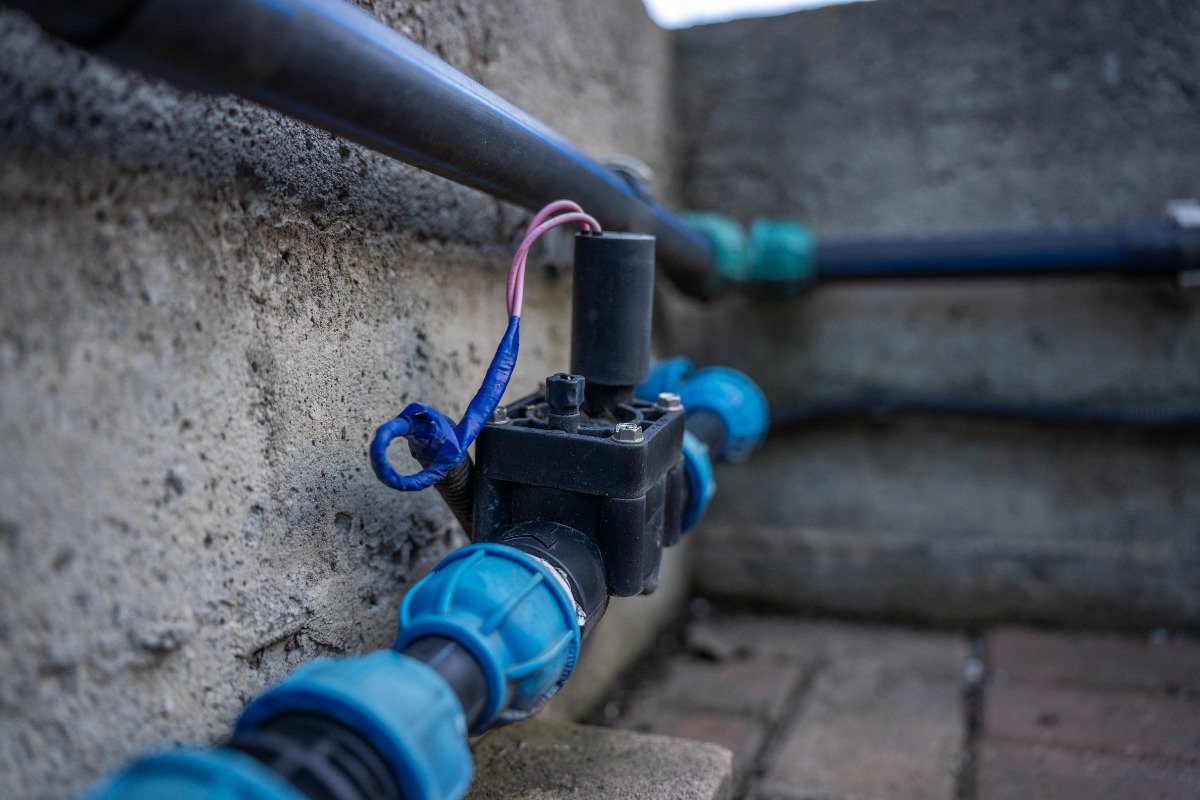
A sprinkler solenoid is a small electromechanical device attached to an irrigation valve. Its primary job is to open and close the valve when it receives instructions from the sprinkler controller. In simple terms, the solenoid acts like a switch that allows water to flow to a specific irrigation zone when watering is scheduled.
When your sprinkler controller sends an electrical signal to the solenoid, a magnetic field is created inside the unit. This magnetic force moves an internal plunger that allows the valve to open. Once the watering cycle is complete and the electrical signal stops, the plunger returns to its original position and the valve closes, stopping water flow.
Common locations where sprinkler solenoids are found include:
- Inside irrigation valve boxes.
- Underground sprinkler manifolds.
- Residential irrigation systems.
- Commercial irrigation systems.
- Drip irrigation control valves.
- Landscape watering systems.
How Do Sprinkler Solenoids Work?
To understand how a sprinkler solenoid functions, it helps to think about the communication process between your controller and your irrigation valves. Your sprinkler controller acts as the brain of the system, while the solenoid acts as the messenger that carries out the controller's commands.
When a scheduled watering cycle begins, the controller sends a low-voltage electrical current to the solenoid attached to the designated irrigation zone. The energized solenoid lifts its internal plunger, which changes the pressure inside the valve and allows it to open. Water then flows through the pipes and out to the sprinkler heads serving that zone.
The basic operating sequence is as follows:
- Controller sends electrical signal
- Solenoid receives power
- Internal plunger moves
- Irrigation valve opens
- Water flows to sprinklers
- Signal ends
- Valve closes
- Water flow stops
Signs Of A Bad Sprinkler Solenoid
Like any irrigation component, sprinkler solenoids can wear out over time. Exposure to moisture, electrical issues, dirt, insects, and general aging can eventually cause a solenoid to malfunction.
One of the most common signs of a failed solenoid is a sprinkler zone that refuses to turn on even though the controller appears to be working properly. In other cases, a damaged solenoid may prevent a valve from fully closing, causing a zone to run continuously.
Common symptoms of a failing sprinkler solenoid:
- Sprinkler zones not turning on.
- Valves remaining stuck open.
- Constant water flow.
- Intermittent zone operation.
- Controller error messages.
- Buzzing or clicking noises from valves.
- Uneven irrigation performance.
- Manual operation works but automatic operation does not.
Why Sprinkler Solenoids Fail
Sprinkler solenoids are built to withstand outdoor conditions, but they are not immune to wear and tear. Years of operation can gradually affect the internal components, leading to reduced performance or complete failure.
Electrical damage is one of the most common causes of solenoid problems. Power surges, lightning strikes, damaged wiring, and controller issues can all impact how the solenoid functions. Physical deterioration can also occur when moisture enters electrical connections or debris accumulates around the valve assembly.
Several factors can contribute to solenoid failure:
- Aging components.
- Corroded wiring.
- Water intrusion.
- Power surges.
- Lightning damage.
- Dirt and debris buildup.
- Damaged valve components.
- Rodent damage to irrigation wiring.
Can A Sprinkler Solenoid Be Replaced?
In many cases, yes. One advantage of sprinkler solenoids is that they are often replaceable without replacing the entire irrigation valve. If the valve body remains in good condition, a technician may be able to install a new solenoid and restore normal operation.
However, diagnosing the true source of the problem is important. A malfunctioning valve diaphragm, damaged controller, broken wire, or pressure issue may produce symptoms that appear similar to a failed solenoid. This is why irrigation troubleshooting often involves electrical testing and valve inspections before repairs are recommended.
A professional irrigation technician may perform:
- Voltage testing.
- Wire continuity checks.
- Valve inspections.
- Controller diagnostics.
- Solenoid resistance testing.
- Irrigation zone evaluations.
- System-wide performance assessments.
The Importance Of Maintaining Irrigation Components
Many homeowners only think about their irrigation systems when something stops working. However, regular maintenance can significantly reduce the likelihood of valve and solenoid failures. Seasonal inspections help identify small issues before they become major irrigation problems.
A properly functioning sprinkler system depends on many interconnected components working together. Controllers, valves, wiring, sprinkler heads, sensors, and solenoids all play important roles in delivering water efficiently across your landscape. When one component fails, it can affect the performance of the entire system.
Frequently Asked Questions About Sprinkler Solenoids
Q: What does a sprinkler solenoid do?
A sprinkler solenoid controls the opening and closing of an irrigation valve. When it receives an electrical signal from the sprinkler controller, it allows the valve to open so water can flow to a specific irrigation zone.
Q: How do I know if my sprinkler solenoid is bad?
Common signs of a bad sprinkler solenoid include zones that will not turn on, valves that stay open continuously, intermittent watering, buzzing noises from the valve, or sprinkler zones that only operate manually.
Q: Can a sprinkler system work without a solenoid?
Most automatic irrigation systems rely on solenoids to control water flow to individual zones. Without a functioning solenoid, the corresponding valve may not open or close properly, preventing the system from operating as intended.
Q: How long do sprinkler solenoids last?
The lifespan of a sprinkler solenoid varies depending on usage, environmental conditions, and system maintenance. Many solenoids can last several years, but factors such as moisture, electrical surges, corrosion, and normal wear can shorten their lifespan.
Q: Can a sprinkler solenoid be replaced without replacing the entire valve?
In many cases, yes. If the valve body is still in good condition, a technician can often replace just the solenoid rather than the entire valve assembly. However, proper diagnosis is important to confirm that the solenoid is actually the source of the problem.
Q: Why is my sprinkler valve humming or buzzing?
A humming or buzzing sprinkler valve may indicate a faulty solenoid, wiring issue, low voltage problem, or debris affecting the valve's operation. If you hear unusual noises coming from your irrigation valves, it is a good idea to have the system inspected to prevent further damage and ensure proper performance.
Article Written By