
Last Updated:
July 3, 2026
Understanding The Challenges Of Clay Soil In Texas
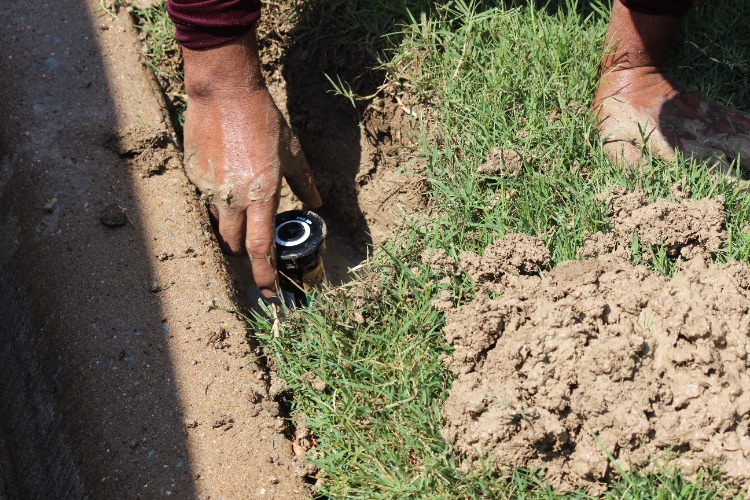
Clay soil can hold large amounts of moisture, but it also absorbs water slowly and becomes easily compacted. Applying too much water to lawns with clay soil often results in runoff, puddles, and wasted irrigation, while insufficient watering can leave grass stressed during Texas's long periods of heat and drought.
Warm-season grasses such as Bermudagrass, St. Augustinegrass, Zoysiagrass, and centipedegrass all require moisture to remain healthy, but clay soil changes how that moisture should be delivered. Keep reading for tips on proper lawn watering for clay soil, and be sure to reach out to Main Street to find out more about our sprinkler repair and sprinkler maintenance services in Texas.
Why Clay Soil Requires A Different Watering Approach
Unlike sandy soils that allow water to pass through quickly, clay soil consists of extremely small particles packed tightly together. These particles create a dense structure that slows water infiltration. During heavy irrigation cycles, water may remain on the surface instead of penetrating deeply into the roots where turfgrass needs it most.
At the same time, clay soil tends to retain moisture longer once it becomes saturated. This means frequent shallow watering can actually create more problems than benefits. A successful watering program for clay soil focuses on allowing water to soak into the ground gradually while encouraging roots to grow deeper into the soil profile. Deep root systems help lawns better withstand the extreme weather conditions commonly experienced throughout Texas.
Water Deeply & Infrequently For Stronger Roots
One of the most effective watering strategies for clay soil is deep, infrequent irrigation. Instead of applying small amounts of water every day, homeowners should provide enough moisture to reach several inches below the surface and then allow the soil to partially dry before watering again.
Deep watering encourages roots to follow moisture downward, creating a stronger and more resilient turfgrass plant. Lawns with deep root systems generally tolerate heat stress, drought conditions, and heavy foot traffic better than lawns that receive frequent shallow watering.
Signs that deep watering may be needed include:
- Grass blades beginning to fold or curl.
- Footprints remaining visible after walking across the lawn.
- A dull blue-gray color developing across the turf.
- Soil becoming difficult to penetrate with a screwdriver or soil probe.
Use Cycle & Soak Watering Techniques
Because clay soil absorbs water slowly, one long irrigation cycle often results in substantial runoff. A better approach is known as cycle and soak watering. This method divides irrigation into multiple shorter sessions separated by resting periods.
For example, instead of watering a zone for 30 minutes continuously, homeowners may water for 10 minutes, wait 30 to 60 minutes, and then repeat the process. This gives the soil time to absorb moisture between irrigation cycles.
Benefits of cycle and soak watering include:
- Reduced runoff and water waste.
- Improved moisture penetration.
- Better root hydration.
- Less standing water on the lawn.
- Greater irrigation efficiency.
The Best Time To Water A Texas Lawn
Timing plays a major role in watering efficiency. Watering during the hottest part of the day often results in significant evaporation losses, meaning less moisture reaches the soil where it is needed.
For most Texas lawns, the ideal watering window is early morning. Temperatures are cooler, winds are typically lighter, and evaporation rates are much lower. Grass blades also have time to dry after irrigation, reducing disease pressure compared to evening watering.
The best watering practices include:
- Watering shortly before sunrise.
- Finishing irrigation by mid-morning when possible.
- Avoiding afternoon watering during peak heat.
- Limiting nighttime watering that leaves turf wet for extended periods.
Adjust Watering Based On Texas Weather Conditions
Texas weather can vary dramatically depending on location and season. A lawn in Dallas may experience different rainfall patterns than a lawn in Houston, Austin, or San Antonio. As a result, irrigation schedules should be adjusted regularly rather than remaining fixed throughout the year.
During periods of extreme summer heat, turfgrass may require supplemental irrigation to maintain color and vigor. However, during rainy periods, homeowners should reduce or temporarily suspend irrigation to avoid oversaturating clay soil.
Several environmental factors influence watering needs:
- Daily temperatures.
- Rainfall totals.
- Humidity levels.
- Wind conditions.
- Seasonal growth rates.
Watch For Signs Of Overwatering
Because clay soil retains moisture so effectively, overwatering is often more common than underwatering. Many lawn problems attributed to drought are actually caused by excessive irrigation.
Overwatered lawns may develop shallow roots, increased weed pressure, fungal diseases, and declining turf health. Standing water and persistently soggy soil are clear indicators that irrigation schedules should be adjusted.
Common symptoms of overwatering include:
- Mushy or constantly wet soil.
- Excessive weed growth.
- Yellowing grass despite frequent watering.
- Increased fungal activity.
- Thatch accumulation.
- Runoff during irrigation cycles.
Improve Clay Soil To Enhance Water Penetration
While proper watering practices are essential, improving the soil itself can make irrigation far more effective. Clay soil naturally becomes compacted over time, especially in lawns that receive heavy foot traffic.
Core aeration is one of the most beneficial services for lawns growing in clay soil. Aeration removes plugs of soil, creating channels that allow water, oxygen, and nutrients to move deeper into the roots. Many Texas lawn care professionals recommend annual aeration for clay-heavy properties.
Additional ways to improve clay soil include:
- Core aeration.
- Adding organic matter when appropriate.
- Reducing excessive foot traffic.
- Maintaining proper mowing heights.
- Avoiding overwatering.
Frequently Asked Questions About Watering Lawns With Clay Soil In Texas
Q: How often should I water a lawn with clay soil in Texas?
The exact frequency depends on weather conditions, grass type, and rainfall. In general, deep watering once or twice per week is often more effective than frequent shallow watering because clay soil retains moisture for longer periods.
Q: Why does water puddle on my lawn during irrigation?
Clay soil absorbs water slowly. If irrigation is applied faster than the soil can absorb it, runoff and puddling occur. Using cycle and soak watering techniques can help improve absorption.
Q: Is it possible to overwater clay soil?
Yes. Clay soil holds water extremely well, making overwatering a common problem. Excessive irrigation can lead to shallow roots, disease issues, and reduced turf health.
Q: Should I water differently during drought conditions?
During drought periods, lawns may require supplemental irrigation to prevent severe stress. Deep watering remains important, but schedules should be adjusted based on local restrictions, rainfall, and turfgrass needs.
Q: Does aeration help clay soil absorb water?
Yes. Core aeration creates openings in compacted soil, allowing water to penetrate deeper into the roots. This often improves irrigation efficiency and promotes healthier root development.
Article Written By