
Last Updated:
July 3, 2026
Why Homeowners Need Automated Irrigation
Keeping a lawn consistently green and healthy often comes down to one critical factor: water. While it may seem simple enough to drag out a hose or set up a few sprinklers and handle it yourself, the DIY approach does not always provide the results you hope to see. This blog post explains why automated sprinkler systems are far superior to hand-watering with a hose.
For more information, contact Main Street today to find out more about our sprinkler services, and ask us about our professional sprinkler repairs in Lewisville, TX.
The Challenges Of DIY Lawn Watering
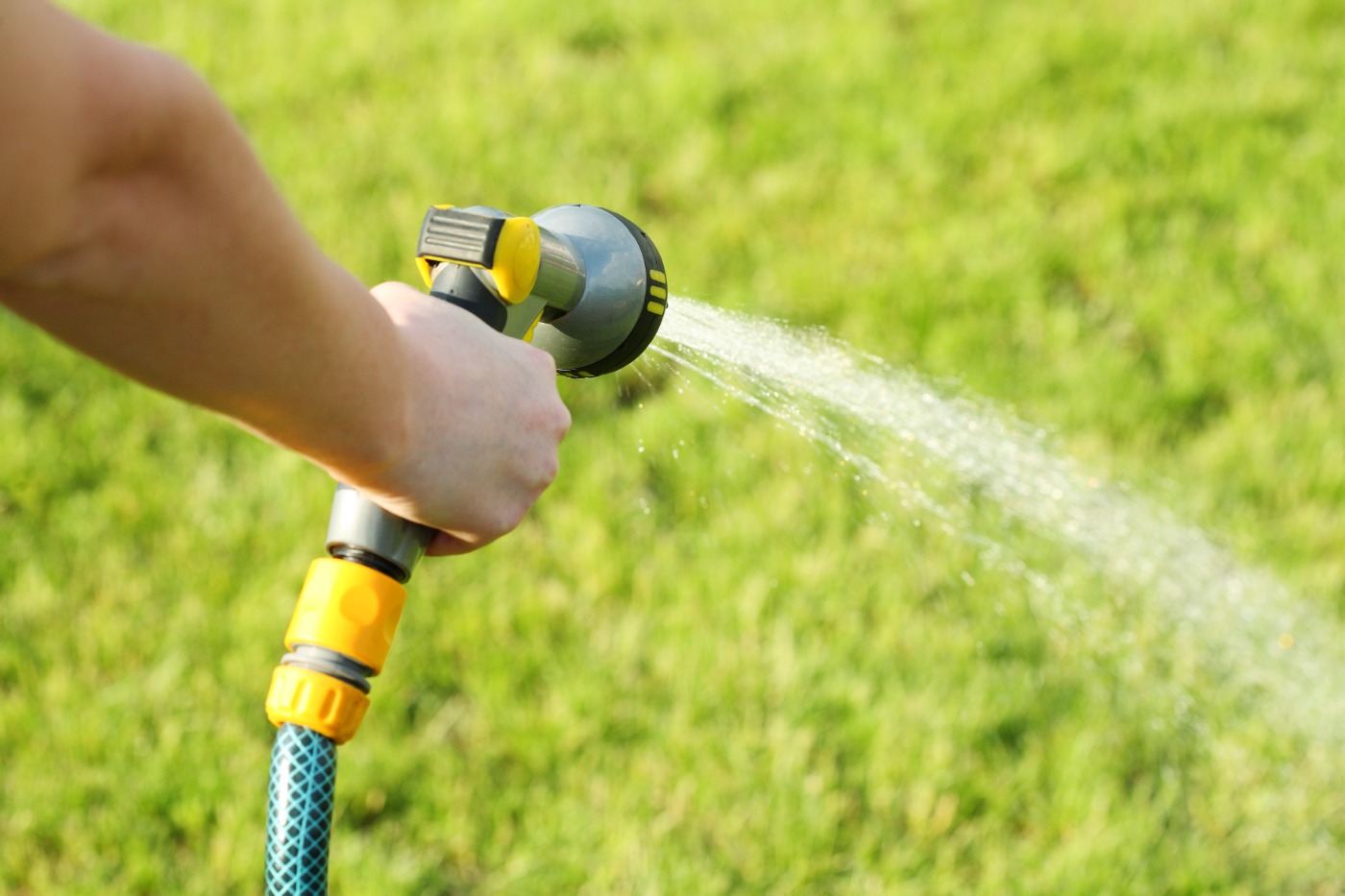
Watering your lawn yourself feels like a simple and cost-effective solution. However, maintaining a consistent watering routine over time is often more difficult than expected. Life gets busy, weather conditions change, and before long, watering becomes irregular.
DIY watering also tends to create inconsistencies across your lawn. Portable sprinklers rarely distribute water evenly, and hoses can only cover so much ground at once. This leads to certain areas receiving too much water while others are left dry and stressed.
Common drawbacks of DIY watering include:
- Uneven water distribution that causes patchy lawn growth.
- Missed watering days during hot or dry weather.
- Overwatering in an attempt to compensate for inconsistency.
- Increased risk of lawn diseases due to improper watering habits.
- Time-consuming setup, monitoring, and adjustments.
Water Efficiency & Cost Savings Over Time
One of the biggest misconceptions about sprinkler systems is that they use more water. In reality, properly installed and programmed systems are often far more efficient than manual watering. With DIY watering, it’s easy to lose track of how long the hose has been running or how much overlap occurs between sprinkler placements. This often leads to unnecessary water usage and higher utility bills.
Automated systems, on the other hand, are designed for precision. Many include smart features like rain sensors or weather-based controllers that adjust watering schedules automatically. If rainfall occurs, the system can skip a cycle, preventing overwatering and waste.
Healthier Lawns With Proper Watering Techniques
A thriving lawn requires the right watering strategy. Automated sprinkler systems are designed to promote deeper, healthier root systems by delivering water evenly and at appropriate intervals. DIY watering often results in shallow watering patterns, where only the surface of the soil is saturated.
With automated systems, watering can be adjusted to allow deeper soil penetration. This supports stronger root development, which in turn leads to a more resilient and durable lawn. The result is turf that not only looks better but is also better equipped to handle changing weather conditions and environmental stress.
How Automated Sprinkler Systems Improve Consistency
Automated sprinkler systems are built to eliminate the guesswork that comes with manual watering. Instead of relying on memory or availability, your lawn is watered on a programmed schedule designed to meet its specific needs.
Consistency is one of the most important factors in maintaining a healthy lawn, and automated systems deliver it effortlessly. Watering can be scheduled during optimal times—such as early morning—when evaporation is minimal and absorption is most effective.
Key advantages of automated systems include:
- Scheduled watering cycles that eliminate missed days.
- Even water distribution across all areas of your lawn.
- Zoned irrigation for different landscape needs (grass, plants, beds).
- Customizable settings based on season and weather conditions.
- Reduced human error compared to manual watering.
Convenience & Time Savings For Homeowners
For many homeowners, the biggest advantage of an automated sprinkler system is the convenience it provides. Managing a lawn manually takes time and effort, especially during the growing season when watering demands increase. With an automated system in place, your lawn continues to receive consistent care without the need for constant attention.
Instead of spending time dragging hoses, repositioning sprinklers, and monitoring watering durations, you can rely on a system that does the work for you. This is particularly beneficial for those with busy schedules or anyone who travels frequently. The time savings alone can make a significant difference over the course of a season, allowing you to focus on other priorities while still keeping your grass healthy.
Long-Term Value & Property Appeal
An automated sprinkler system is an investment in the overall quality and appearance of your property. A well-watered lawn contributes to a lush, uniform look that enhances curb appeal and creates a more inviting outdoor space.
Consistent irrigation plays a major role in achieving that polished appearance. Lawns that receive proper watering tend to have fewer bare spots, more even color, and thicker growth overall.
While the initial cost of installation may be higher than sticking with DIY watering, the long-term benefits often outweigh the upfront expense. Improved lawn health, reduced water waste, and less time spent on sprinkler maintenance all contribute to the overall value of the system.
FAQ: Automated Sprinkler Systems vs. DIY Watering
Q: Is an automated sprinkler system better than watering by hand?
In most cases, yes. Automated systems provide more consistent and efficient watering, which leads to healthier lawns and less effort for homeowners.
Q: Do sprinkler systems really save water?
When properly set up, they can be more efficient than DIY watering by delivering precise amounts of water and adjusting for weather conditions.
Q: How much time can I save with an automated system?
Homeowners can save several hours each week by eliminating the need to manually water, move hoses, and monitor coverage.
Q: Can automated systems be adjusted for different seasons?
Yes, most systems allow for seasonal programming so watering schedules can be modified based on temperature, rainfall, and lawn growth.
Q: What happens if it rains? Will the system still run?
Many modern systems include rain sensors or smart controllers that pause watering during or after rainfall to prevent overwatering.
Q: Is DIY watering ever a good option?
DIY watering can work for smaller lawns or short-term solutions, but it requires consistent attention and effort to match the effectiveness of an automated system.
Article Written By