
Last Updated:
July 3, 2026
When To Reroute A Sprinkler Line
Out of sight, underground sprinkler lines quietly deliver water where it’s needed… until something changes. Whether it’s a landscaping upgrade or an aging irrigation system, there are times when simply repairing a sprinkler system isn’t enough.
Rerouting sprinkler lines is all about improving how water moves through your yard. A properly redesigned irrigation layout can eliminate inefficiencies and prevent ongoing repair costs that come from patchwork fixes. Below, we’ll break down when sprinkler lines typically need to be rerouted and why it can make a significant difference.
Don’t forget to contact us to ask about all our sprinkler repair and sprinkler maintenance services in the Flower Mound area.
When Does Rerouting A Sprinkler Line Mean?
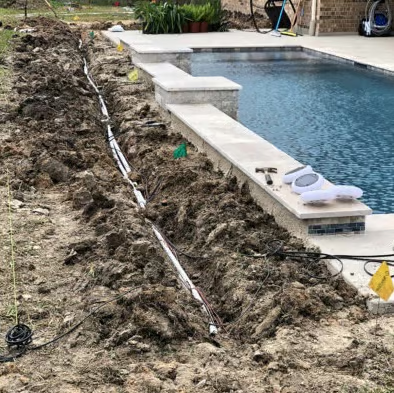
Rerouting sprinkler lines involves changing the path of the underground piping that supplies water to different zones of your irrigation system. Instead of simply repairing a damaged section, professionals redesign portions of the system to better suit your current landscape and watering needs.
This process may include moving pipes away from obstacles, redesigning zone layouts, or upgrading older piping configurations that no longer function efficiently. In many cases, rerouting is less about reacting to a single issue and more about correcting underlying design problems that have developed.
Signs Your Sprinkler Lines May Need To Be Rerouted
While some irrigation problems can be fixed with minor adjustments, others point to deeper issues within the system layout. If you’re experiencing repeated problems in the same areas, it may be time to consider rerouting.
When these issues keep coming back, it’s often a sign that the original pipe layout no longer matches the needs of your property. Here are some of the most common warning signs:
- Persistent dry spots even after sprinkler adjustments.
- Areas of standing water or oversaturation.
- Frequent pipe leaks in the same section of the yard.
- Low or inconsistent water pressure across multiple zones.
- Sprinkler heads that never seem to align properly with coverage areas.
- Sections of the lawn that were added or redesigned after the original system was installed.
Landscaping Changes Often Require New Irrigation Paths
One of the most common reasons sprinkler lines need to be rerouted is a change in the landscape. Yards evolve as new patios are installed, gardens are expanded, trees mature, and outdoor living spaces become more complex. Unfortunately, the original irrigation system was designed for a different layout.
Rather than trying to work around outdated piping, rerouting allows the irrigation system to match the current design of your yard, improving both function and efficiency. When landscaping changes occur, sprinkler lines may:
- Run directly beneath new hardscapes like patios or walkways.
- Interfere with tree roots or newly planted shrubs.
- Deliver water inefficiently to areas that no longer need it.
- Fail to reach new planting beds or turf areas.
Aging Systems Can Develop Inefficient Layouts
Older sprinkler systems were often installed using less advanced design methods and materials. These systems can become inefficient due to wear, outdated layouts, or shifting soil conditions. Even if the system still “works,” it may not be working well.
Rerouting sections of the system allows professionals to modernize the layout and improve overall performance without necessarily replacing the entire system. Common issues with aging systems include:
- Pipes that are too small to maintain proper pressure.
- Inefficient zone layouts that overwater some areas and underwater others.
- Increased risk of cracks, leaks, or root intrusion.
- Poor placement of sprinkler heads based on outdated lawn layouts.
Recurring Leaks May Indicate a Larger Problem
A single leak is usually a straightforward repair. However, when leaks continue to occur in the same general area, it often points to a deeper issue with the pipe routing. For example, pipes that run too close to tree roots, heavy foot traffic areas, or unstable soil are more likely to suffer repeated damage.
In these cases, rerouting the line away from problem areas can prevent future leaks and eliminate the cycle of constant repairs. Instead of fixing the same issue over and over again, rerouting addresses the root cause.
Poor Water Distribution Can Be Fixed at the Source
If your lawn has uneven growth patterns, the issue may not be the sprinkler heads themselves. It could be the way water is being delivered through the system. Improper pipe routing can lead to pressure imbalances that affect how evenly water is distributed. Rerouting lines can help:
- Balance water pressure across all zones.
- Improve spray consistency and coverage.
- Ensure each section of the lawn receives the correct amount of water.
- Reduce runoff caused by overwatering certain areas.
Professional Design & Maintenance Make the Difference
Rerouting sprinkler lines requires careful planning to ensure the system functions correctly. Professionals evaluate factors like water pressure, soil conditions, elevation changes, and plant needs before making adjustments.
This level of planning ensures that the new layout improves performance rather than creating new issues. A well-designed reroute can transform an inefficient irrigation system into one that operates smoothly, conserves water, and supports a healthier landscape.
Frequently Asked Questions About Sprinkler Line Rerouting
Q: How do I know if I need sprinkler line rerouting instead of a repair?
If you’re dealing with repeated leaks, poor coverage, or ongoing pressure issues, rerouting may be a better long-term solution than repeated spot repairs.
Q: Is rerouting sprinkler lines a major project?
It depends on the scope, but many rerouting projects focus on specific problem areas rather than the entire system, making them more manageable than a full replacement.
Q: Will rerouting damage my lawn?
Some digging is required, but professionals typically minimize disruption and restore affected areas once the work is complete.
Q: Can rerouting improve water pressure?
Yes. Adjusting the layout can help balance pressure across zones, leading to more consistent and efficient watering.
Q: How long does a rerouting project take?
Most projects can be completed within a day or two, depending on the size of the area and complexity of the system.
Q: Is sprinkler rerouting worth the cost?
In many cases, yes. It can eliminate recurring issues, reduce water waste, and improve overall system performance, saving money in the long run!
Article Written By