
Last Updated:
May 9, 2026
Why Automated Sprinklers Are So Important
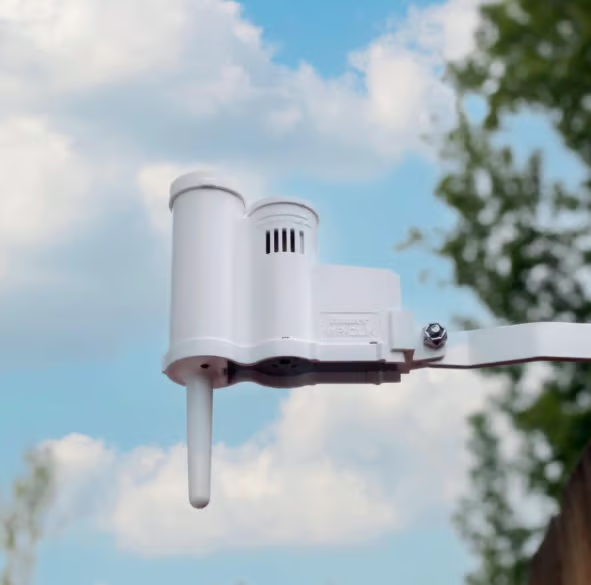
A sprinkler system is only as smart as the information it uses. Sensors provide the data that tells the system when not to run. Without sensors, even the most upgraded and well-designed irrigation system can waste water, stress plants, and drive up utility costs. Sensors allow your sprinkler system to protect your landscape while conserving water by monitoring rainfall, temperature, and soil moisture.
Keep reading to learn more about efficient water use for your irrigation system, and check out our sprinkler maintenance and sprinkler repair services if you need help with your system in the Highland Village area.
How Sprinkler Sensors Work With The Irrigation System
Sprinkler sensors are designed to communicate directly with the irrigation controller. When a sensor detects conditions that make watering unnecessary or harmful, it sends a signal to pause or delay scheduled watering cycles. Once conditions return to acceptable levels, the system resumes normal operation without any homeowner intervention.
Rather than replacing your controller, sensors enhance it. They act as decision-makers, overriding programmed schedules when weather or soil conditions change. This coordination prevents overwatering, reduces system wear, and helps lawns and landscapes receive water only when they actually need it.
Rain Sensors Stop Watering When Nature Does The Job
Rain sensors prevent your sprinkler system from running when rainfall has already provided enough moisture. Instead of following a rigid schedule, the system responds to real weather conditions by temporarily shutting down irrigation cycles. Once the sensor detects that conditions have dried out, the system automatically resumes normal operation.
Rain sensors help eliminate one of the most common causes of water waste, which is watering immediately after a storm or during light rainfall. They act as a simple but powerful override that protects your lawn from oversaturation.
Rain sensors help by:
- Pausing scheduled watering during and after rainfall.
- Reducing runoff, puddling, and soil erosion.
- Preventing fungal growth caused by overly wet turf.
- Conserving water without requiring manual adjustments.
Freeze Sensors Protect Your Landscape & Irrigation System
Freeze sensors monitor outdoor temperatures and shut down the sprinkler system when conditions become too cold for safe operation. Running sprinklers during freezing temperatures can harm plants and cause ice-related damage to irrigation components, making freeze sensors an important protective feature.
When temperatures approach freezing, the sensor temporarily overrides the controller and keeps the system off until conditions improve. This automated response helps prevent costly repairs and landscape stress during cold weather.
Freeze sensors provide protection by:
- Preventing ice buildup on plants and hardscapes.
- Reducing the risk of cracked pipes and broken sprinkler heads.
- Helping avoid hazardous icy walkways and driveways.
- Extending the lifespan of irrigation system components.
Soil Moisture Sensors
Soil moisture sensors measure the amount of water already present in the soil and allow the sprinkler system to make watering decisions based on actual ground conditions. Instead of relying solely on timers, the system responds to how wet or dry the soil is at root level.
When sufficient moisture is detected, irrigation cycles are skipped. Once soil moisture drops below a set threshold, watering resumes automatically. This ensures plants receive water only when necessary.
Soil moisture sensors improve efficiency by:
- Preventing overwatering and root suffocation.
- Encouraging deeper, healthier root systems.
- Reducing water waste during cooler or wetter periods.
- Adjusting irrigation needs without constant reprogramming.
The Benefits Of Using Multiple Sensors Together
While each sensor type serves a specific purpose, combining rain, freeze, and soil moisture sensors creates a highly responsive irrigation system. Together, these sensors ensure watering occurs only when conditions are safe and beneficial for the landscape.
Using multiple sensors reduces water waste, protects system components, and improves overall lawn health. It also minimizes the need for manual adjustments, allowing homeowners to trust their sprinkler system to respond appropriately to changing conditions throughout the year.
Why Sensors Are A Smart Upgrade For Any Sprinkler System
Sprinkler sensors are one of the most cost-effective upgrades a homeowner can make. They help lower water bills, reduce landscape damage, and extend the lifespan of irrigation equipment. In many areas, sensors are also required by local regulations, making them both a practical and compliant choice.
Whether you’re installing a new sprinkler system or upgrading an older one, adding sensors transforms irrigation from a fixed schedule into a responsive, efficient process that works with nature instead of against it.
Frequently Asked Questions About Sprinkler System Sensors
Q: Are sprinkler sensors required for residential irrigation systems?
In many areas, rain sensors are required by code for new installations, but requirements vary by location.
Q: Can sensors be added to an existing sprinkler system?
Yes, most modern sensors can be installed on existing systems without replacing the controller.
Q: Do sprinkler sensors require maintenance?
Minimal maintenance is needed, but sensors should be checked periodically to ensure proper placement and function.
Q: Will sensors interfere with my programmed watering schedule?
Sensors temporarily override schedules only when conditions make watering unnecessary or unsafe.
Q: Are soil moisture sensors better than rain sensors?
Each serves a different purpose. Soil moisture sensors measure ground conditions, while rain sensors respond to precipitation, using both offers the best results.
Q: Do sprinkler sensors really save money?
Yes, by preventing unnecessary watering, sensors reduce water usage and can lower utility costs over time.
Article Written By